
EDTA Zn
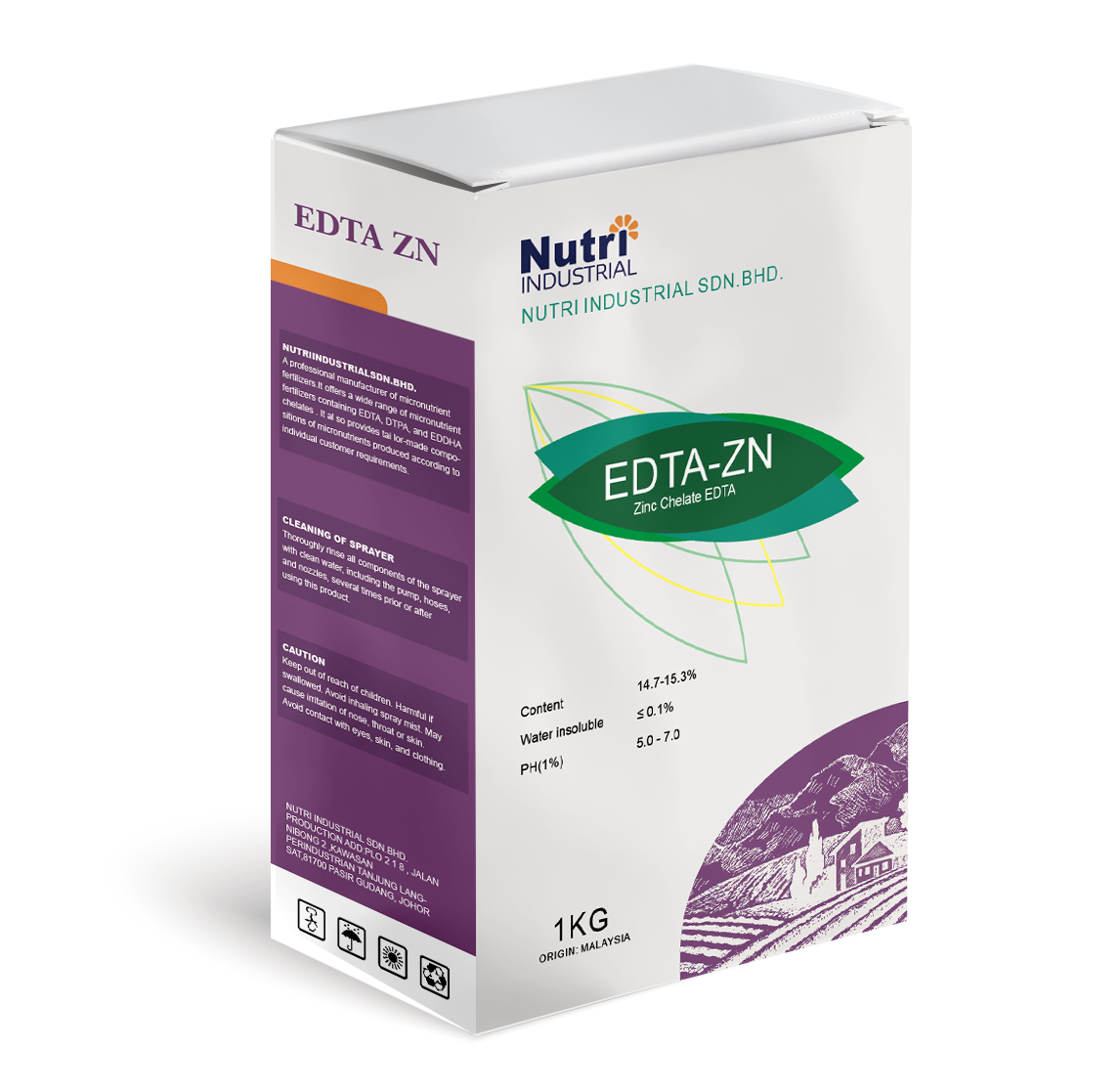
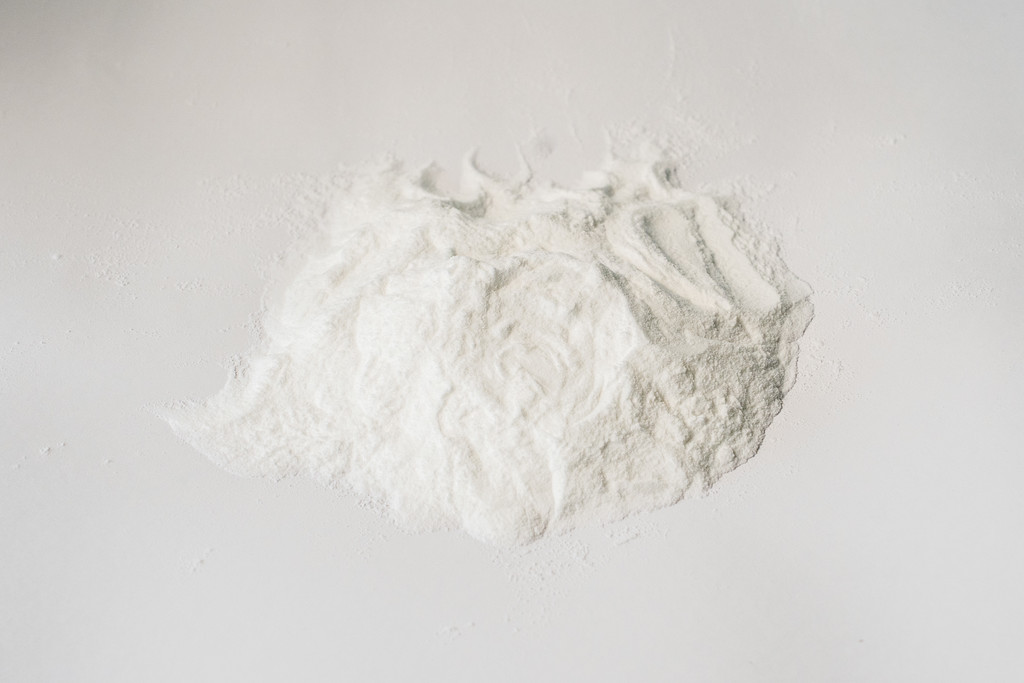
- Appearance: White powder
- Zinc Content: 14.5% – 15.5% Zn
- pH (in 1% solution): 5 – 7
- Water-Insoluble Matter: ≤ 0.1%
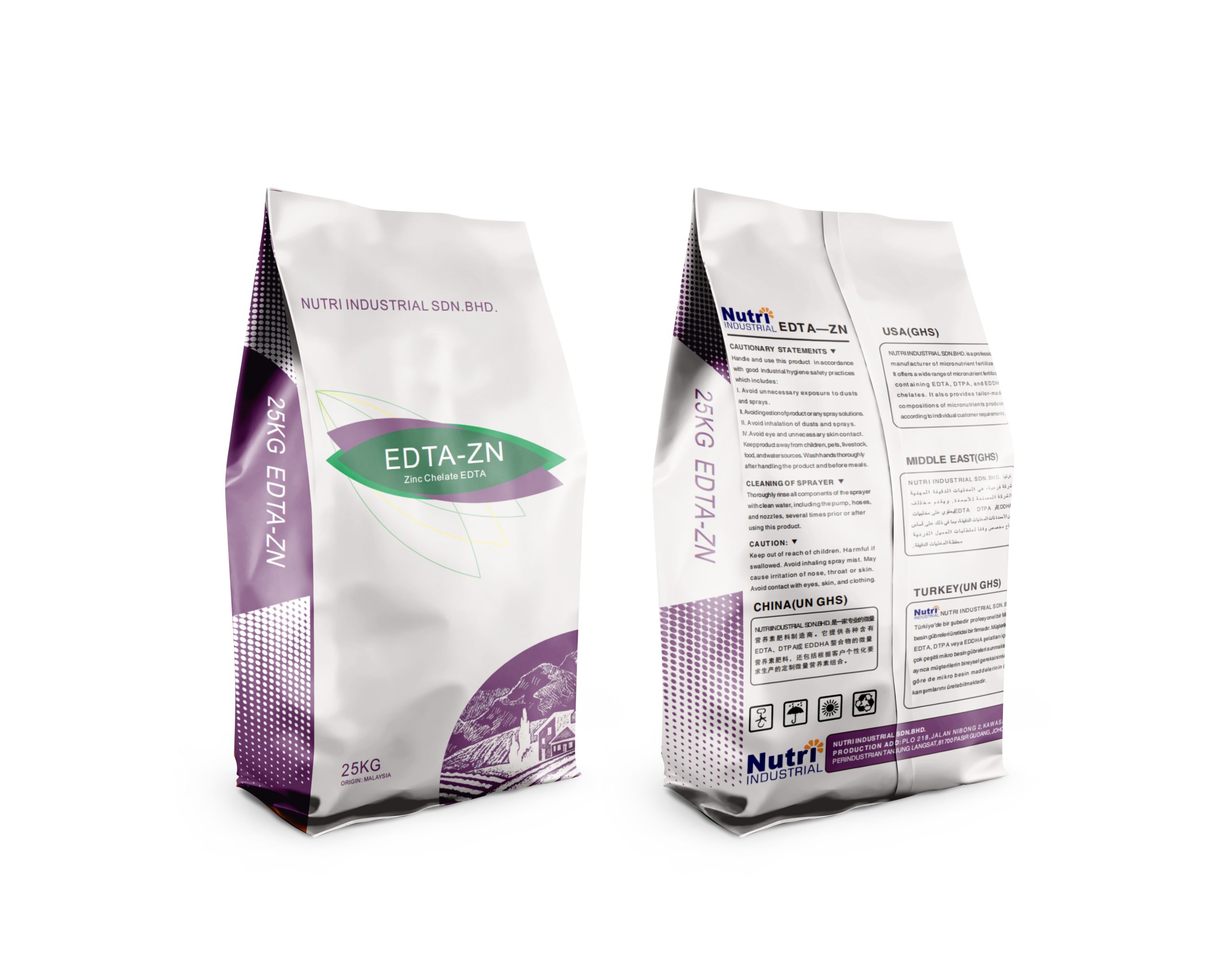
EDTA Zn is a high-quality chelated fertilizer that provides zinc, a critical micronutrient for plants, in an easily absorbable form. This product comes as a white powder and offers superior solubility and effectiveness in agricultural applications.
Product Specifications:
- Appearance: White powder
- Zinc Content: 14.5% – 15.5% Zn
- pH (in 1% solution): 5 – 7
- Water-Insoluble Matter: ≤ 0.1%
Benefits of EDTA Zn:
- Quickly and effectively meets the zinc needs of plants.
- Promotes healthy growth by supporting photosynthesis and enzyme activities.
- Easily absorbed by the plant, regardless of soil pH.
- Provides high efficiency in both foliar and soil applications.
Areas of Use: EDTA Zn can be used in all agricultural areas, especially for field crops, vegetables, fruits, and greenhouse crops. It is suitable for both foliar and soil fertilizer applications.
Why Choose EDTA Zn? Zinc deficiency can lead to stunted growth, yellowing leaves, and yield losses in plants. EDTA Zn is a reliable solution for preventing these deficiencies and provides the zinc your plants need in a balanced way.
Frequently Asked Questions (FAQ)
- Which plants can EDTA Zn be used on? EDTA Zn can be used on field crops, vegetables, fruits, and greenhouse crops. It is suitable for both foliar and soil fertilizer applications.
- When should I apply EDTA Zn? It can be applied when signs of zinc deficiency appear or periodically during the growth phase.
- Is EDTA Zn miscible with water? Yes, EDTA Zn is completely soluble in water and can be used for foliar or soil applications.
- Is EDTA Zn affected by the soil’s pH value? No, thanks to its chelated structure, EDTA Zn is easily absorbed by the plant regardless of soil pH.
- How often should EDTA Zn be applied? The frequency of application varies depending on the plant species, growth stage, and soil conditions. The dose and frequency recommended by agricultural experts should be followed.