


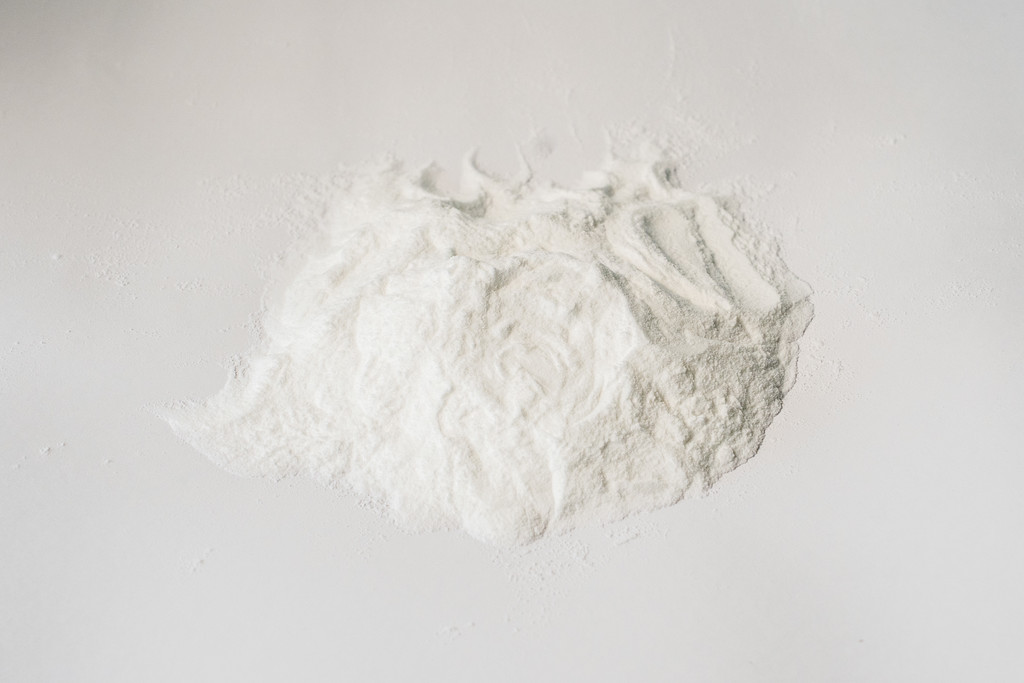
EDTA Ca
- Product: EDTA Ca
- Appearance: White powder
- Content: 9.5–10.5% Ca
- pH (in 1% Solution): 5–7
- Water-Insoluble Matter: ≤ 0.1%
EDTA Ca Calcium is a critical nutrient for cell wall integrity, fruit firmness, and crack resistance. EDTA Ca chelates calcium, ensuring rapid and effective uptake by plants and providing stability, especially under conditions with pH fluctuations and high soil-binding effects.
Key Advantages
- High bioavailability: Rapid uptake by leaves and roots thanks to the EDTA chelate.
- Stable in a wide pH range: pH 5–7 in a 1% solution.
- Homogeneous dissolution, low residue: Water-insoluble matter ≤ 0.1%.
- Fruit quality: Helps reduce the risk of cracking and supports fruit firmness and shelf life.
- Flexible use: Suitable for drip irrigation (fertigation) and foliar application.
When to Use?
- Signs of calcium deficiency (leaf tip burn, internal browning/bitter pit in fruit, blossom end rot, etc.)
- Conditions where Ca uptake is difficult due to high salinity or high/low pH
- Supporting quality and resistance during periods of heavy fruit load
Areas of Use and Recommended Applications The following doses are general recommendations; adjust the product according to the crop, climate, phenology, and soil/water analysis. It is recommended to perform a trial on a small plot.
Drip Irrigation (Fertigation)
- Vegetables, fruit trees, vineyards: 1.0 – 3.0 kg/ha/application, every 7–10 days.
- Greenhouse production: 0.5 – 1.5 kg/da/application.
Foliar Application
- General range: 200 – 400 g / 100 L of water.
- Trees/vineyards: 0.3 – 0.5% (300–500 g/100 L), every 10–14 days before full bloom and throughout fruit development.
- Vegetables: 0.2 – 0.4% (200–400 g/100 L), every 10–14 days from vegetative growth to fruit set.
Warning: Avoid foliar application during hours when temperatures are high (≥28–30°C) and evaporation is strong.
Miscibility and pH
- Generally compatible with most macro and micronutrients in the appropriate pH range.
- Do not mix in high concentrations in the same tank with fertilizers/solutions high in phosphate and sulfate; there may be a risk of precipitation.
- Avoid mixing with strong alkaline products (pH > 8.5). Always perform a jar test.
Application Tips
- Calcium is an immobile element within the plant; for best results, apply regularly starting from an early stage.
- If irrigation water hardness is high, optimize the dose and frequency accordingly.
- Separating the timing of calcium applications from phosphorus and potassium applications can improve uptake.